Keyword:
Benefits and Pensions Monitor - Latest News Benefits and Pensions Monitor - Archives Benefits and Pensions Monitor - Classifieds Benefits and Pensions Monitor - Events Benefits and Pensions Monitor - Directories Benefits and Pensions Monitor - Subscribe
Inspired - Benefits and Pensions Monitor

Home
News
Archives
Classifieds
Events / Conferences
Directories
Subscribe
Resources
FAQs
Contact Us
Advertise In Monitor
Advertising Links


Browse by Topics

A Conversation With
Administration
Alternative Investment
Consultants
Global Custody
Money Managers
Benefits
Compensation
DB Pensions
DC Pensions
Disability Management
EAFE & Emerging Markets
Executive Compensation
Group Insurance
Healthcare
Investment
Legal
Miscellaneous
Pensions
Retirement Planning
Risk Management
Socially Responsible Investment
Technology

Benefits and Pensions Monitor

Belts And Suspenders

By: Barry Noble

The launch of Benefits and Pensions Monitor in 1991 coincided with the halfway point in my career (Currently, Iʼm at 30 years and counting in the industry). During the first 15 years of my pension/benefits career, the environment remained fairly static, with few points of differentiation. However, the last 15 years have been much more exciting as the industry has undergone significant change.

In highlighting one significant event or trend, something like the increased appeal of Defined Contribution plans as an alternative to Defined Benefit plans or the impact of the relatively recent Capital Accumulation Plan (CAP) Guidelines would seem obvious choices.

Instead, Iʼve chosen to focus on a less tangible development with an underlying influence over many of the pension/benefit trends driving evolution in our industry for the past 15 years. For lack of a better title, Iʼll call it the ʻBelt & Suspendersʼ mindset.

The shift to DC resulted in a shift of risk to employees and gave regulators cause for concern about protecting that constituency. This trend has escalated to a point where very little activity in our industry can proceed without the involvement of lawyers, compliance officers, and other like-minded overseers.

Pace And Magnitude Of Change

While the focus of this trend is well intentioned – and necessary – the pace and magnitude of change has created concerns over liability, fiduciary duty, compliance, and overall plan governance. These have assumed an increasingly dominant role and created a corresponding increase in the amount of sleep lost by concerned plan sponsors overwhelmed by these challenges. In spite of the legitimate value of the enhanced focus on plan governance, it has become increasingly difficult for plan sponsors and their advisors to manage the responsibilities that come with a commitment to providing group retirement and benefit plans for employees.

The enhanced level of scrutiny and sponsor responsibility requires a significant commitment of time and expertise and makes it difficult for most plan sponsors to fulfill a series of expectations.

For smaller employers, the challenges are even more intimidating – to the point where this rapidly growing Canadian employment sector questions the value of offering a reasonable benefit program and struggles with their ability to deliver one. Itʼs a relatively safe bet that the CAP Guidelines werenʼt designed with the small employer in mind. If they were, the components of those guidelines would have shown a preference for ʻkeep it simpleʼ solutions which encourage the expansion of employer-sponsored plans. Instead, theyʼre having the opposite effect. Suppliers need to help these employers deal with change so they can be confident of their ability to comply with the CAP Guidelines and other regulatory requirements.

Concern Over Liability

Concern over liability exposure in the administration of pension and benefit plans has frequently resulted in an over-emphasis on liability. Well-intentioned plan sponsors and advisors have spent considerable time and expense in their quest to effectively administer these plans.

Like many things in life, balance is the key, and we have created an imbalance adding a level of impracticality to an employerʼs well-intentioned decision to provide important benefits for their employee populations. This new culture may have created an opportunity for the fraternity providing support for the overwhelmed plan sponsor. There is no denying there was a legitimate need to enhance protection for plan members, but I find myself thinking there should be an easier way to achieve the same outcome.

We are no longer working in a pension/ benefit environment where a ʻbeltʼ alone is sufficient, so weʼll have to get used to the fact that the ʻbelt and suspendersʼ approach is here to stay.

We are definitely in a better world, but there is a point where ʻtoo much of a good thingʼ runs the risk of becoming just ʻtoo much.ʼ

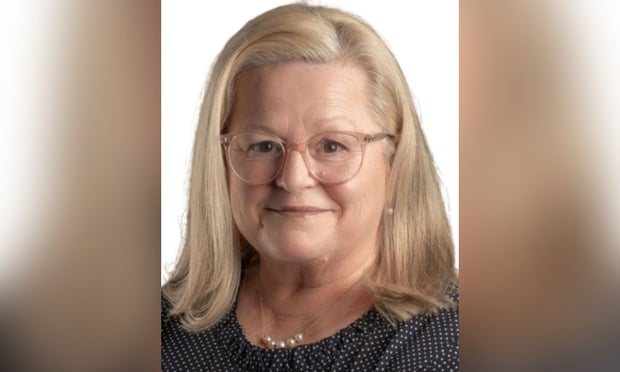
Barry NobleBarry Noble is vice-president, distribution, group savings and retirement solutions, at Manulife Financial.

Subscribe to Monitor


Home / News Alerts / Archives / Classifieds / Events / Directories / Resources / Subscribe / Login / Contact Us
Advertise In Monitor / Advertising Links / FAQs / People / Privacy Policy / Terms of Service / Sitemap

Copyright ©1999 - 2012 Benefits and Pensions Monitor. All rights reserved.
Pension Fund Investment - Employee Benefits Management

Benefits and Pensions Monitor - Contact Us Benefits and Pensions Monitor - Login Benefits and Pensions Monitor logo